A pest control website has about ten seconds to tell a worried person three things: that you treat their particular pest, how fast you can get there, and that you will be discreet about it. Put the pest list, the response time and the phone number above the fold, then go into methods, safety and prices underneath. Domestic and commercial customers want different things, so give them separate routes from the home page.
Your customer is embarrassed, in a hurry, or both
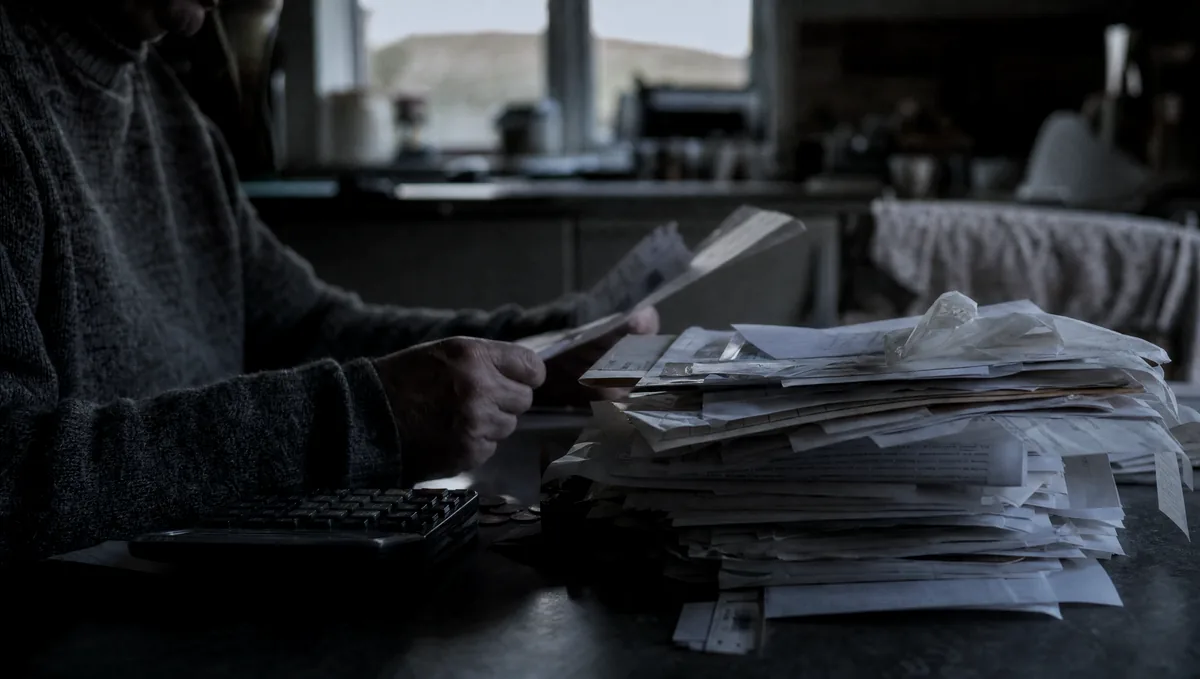
Nobody searches for a pest controller in a good mood. A householder who has just found mouse droppings in a kitchen drawer feels ashamed, even though it has nothing to do with how clean the house is. A restaurant manager who has seen a cockroach has a bigger problem again, because it is their licence and their reputation.
That mood changes what your website has to do. A calm, matter of fact tone works far better than a dramatic one. Photographs of swarming rats are a mistake: they make the reader feel worse and they get shared around less, not more. Short sentences, no judgement, and a clear next step.
The hurry matters too. Many of these searches happen at eleven at night, on a phone, standing in a kitchen. If your site takes five seconds to appear, they are already back on the results page looking at the next firm. We have written separately about why a slow website costs you work, and it applies to emergency trades more than almost anyone.
Tell them you deal with their pest, by name
People do not search for "pest control". They search for "wasp nest removal", "how to get rid of mice", "bed bug treatment" and "squirrels in loft". A home page that says "domestic and commercial pest control across the East Midlands" answers none of those searches properly.
Give each common pest its own page. Keep each one simple and useful:
- What the signs are, so they can confirm it is what they think it is
- Why it happens, written without blame
- What the treatment involves and roughly how long it takes
- Whether one visit is usually enough or whether it needs follow ups
- What they need to do before you arrive, and after
- Whether pets and children need to be out of the room
Six to eight pest pages covers most UK domestic work: rats, mice, wasps and hornets, bed bugs, fleas, cockroaches, ants, and birds or squirrels depending on what you take on. That page count is why a pest control firm usually needs more than a five page site. The price up your website tool makes the difference easy to see before you commit to anything.
What to show about methods and safety
This is the part most pest control sites skip, and it is the part that wins the nervous customer. People worry about poison near the dog, about spray residue on the baby's high chair, and increasingly about whether anything will be killed at all.
Say what you actually use and how you use it. If you work to a proofing first approach on rodents, explain that. If you offer live capture or relocation for some species, say which ones and which ones you cannot by law. If a treatment does involve rodenticide, explain that it goes in tamper resistant boxes and where you place them.
The credentials page
Put your qualifications and memberships in one clear place rather than scattering logos about. RSPH or BPCA level qualifications, trade body membership, public liability cover, DBS checks if you work in schools or care homes. Write them as plain sentences, not acronyms on their own. A commercial buyer will check this page before they phone you.
Safety information people can act on
A short "what happens on the day" page does a lot of quiet work. Clear the worktops, shut the cat in the bedroom, expect the technician to be there about forty minutes, keep off the treated area for however long applies. It reduces phone calls, it reduces failed visits, and it reads like somebody who has done this a thousand times.
How domestic and commercial contracts differ on the site
These are two different businesses sharing a van. If you squash them into one page you will serve neither well.
Domestic: speed and discretion
The domestic visitor wants a price band, a timescale and reassurance. Give them a guide price for a wasp nest or a mouse treatment if you can, even as a "from" figure. Being coy about price loses more work than being honest about it. Mention the unmarked or discreetly marked van if that is what you run, because for a lot of householders that is the deciding detail.
Make phoning effortless. A floating call bar that follows them down the page is worth more than any amount of clever design on a pest control site, and it is included on every RentAWeb tier. If you take a lot of out of hours work, say what your hours actually are rather than writing "24/7" when you mean "until nine".
Commercial: compliance and paperwork
A pub landlord, a care home manager or a food factory is not buying a visit, they are buying evidence for an audit. Their page should talk about contracts, scheduled visits, bait station mapping, reporting, EHO inspections and the documents you leave behind. Sector pages help here: food and hospitality, landlords and letting agents, schools, warehousing, farms.
Commercial enquiries also come in by form rather than phone, often from someone comparing three firms. Give them a form that asks for site size, sector and current arrangement, and say when you will come back to them. This is the same pattern we describe in what a trade business website actually needs, where one business sells both small reactive jobs and larger planned contracts.
Covering your patch without stuffing town names everywhere
Pest control is radius work. You need to be clear about where you travel, because a customer twenty miles out will not ring if they cannot tell whether you come that far. A service area map on the contact page does that in a second, and it is included on every tier we sell.
Beyond the map, a handful of proper town pages can help, as long as each one says something true and local. A page for a market town might mention the older terraced streets where rats move between properties, or the farmland edge that brings in different problems. Twenty thin pages with the town name swapped out do nothing useful. There is more on this in our guide to getting found on Google when you only work locally.
Reviews, photos and proof without the gore
Reviews matter enormously in a trade people feel awkward about. A customer reading three reviews that say "arrived when he said, no fuss, didn't make me feel like a slob" is halfway to picking up the phone. Pull reviews onto the relevant pages rather than parking them all on one.
Photographs are trickier. Nobody wants a gallery of infestations. Use pictures of the work instead: proofing mesh fitted neatly round a pipe, bait boxes in a cellar, a technician on a ladder at a roofline, the van. Clean, ordinary, competent. If you do not have good photos, AI image creation is included free on every RentAWeb package, and you can mix your own photos in as you take them.
What a pest control website costs to run
Most pest control firms land on ten to fifteen pages once they have the pest pages, a domestic page, a commercial page, sectors, area pages, about and contact. With us that is Essential at £79 a month for up to 10 pages, or Professional at £99 a month for up to 15, both excluding VAT. Extra pages are £10 a month each, or five for £40 a month, so you can start smaller and add pest pages as you go.
Other points worth knowing before you compare:
- A blog is included on everything except Starter, which is useful for seasonal pieces on wasp season or autumn rodent activity
- Online bookings are included on Business and are £20 a month on the other tiers, which suits firms doing a lot of scheduled domestic visits
- Hosting, SSL, business email and the Nova editor are included, so you can change prices yourself
- Content changes are unlimited and free, which matters when your call out charge moves
- You pay the first three months up front to start, there is no setup fee, and there is no contract beyond a month's notice
If you would rather own the site outright, that is a separate one off price list and it is available at the start or later on. We go through the arguments both ways in should you own your website or rent it?, and if you want the broader market view, how much does a website cost per month in the UK? covers what else is out there.
Frequently asked questions
Should I put prices on a pest control website?
Guide prices help more than they hurt. A "from £X for a wasp nest" or a typical range for a mouse treatment filters out the people who were never going to book and reassures the ones who were. Commercial contracts are different, since they depend on site size and visit frequency, so a quote request form is fairer there.
How many pages does a pest control site need?
Usually ten to fifteen. One page per common pest, a domestic page, a commercial page, a couple of sector pages, about, contact and reviews gets you there quickly. You can launch with the core pages and add the rest later at £10 a month each, or five for £40 a month, excluding VAT.
Do I need a blog for a pest control business?
It helps, because pest problems are seasonal and people search for answers before they search for a firm. Short posts on wasp nest timing, autumn rodent activity or spotting bed bugs after a holiday are genuinely useful. A blog is included on every tier except Starter, where it is £10 a month.
Can I write the words myself?
Yes, and if you know your trade it is often better. Your explanation of what a mouse treatment actually involves will beat anything generic. AI copywriting is included free if you would rather have a draft to edit, and you can mix the two. Our guide to writing the words for your own website covers how to approach it.
Where to start
Get the basics right before anything else: the pests you treat named clearly, how fast you can respond, a visible phone number, plain information on methods and safety, and separate routes for householders and commercial sites. Everything else is decoration on top of that.
RentAWeb builds and runs small business websites for a monthly fee, with hosting, email, the editor and unlimited content changes included, no contract and a month's notice. Everything is done remotely by phone, email and video. You can see what a rented website costs or find out who you would be dealing with before you decide anything.